*open this newsletter in a new browser to view embedded video
Happy New Year!
This month…
• a free original piece
• How to create emotion in music
• New single
• "City Lights Hide the Stars" full album release
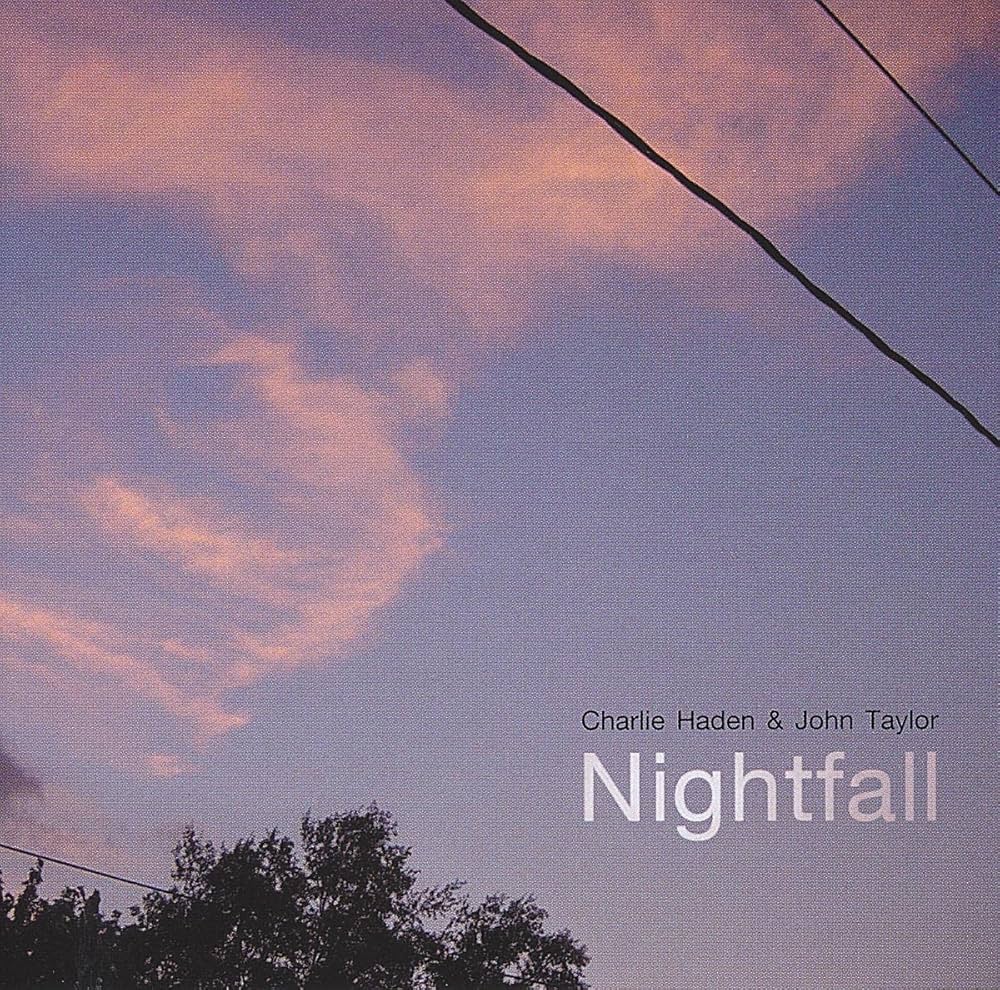
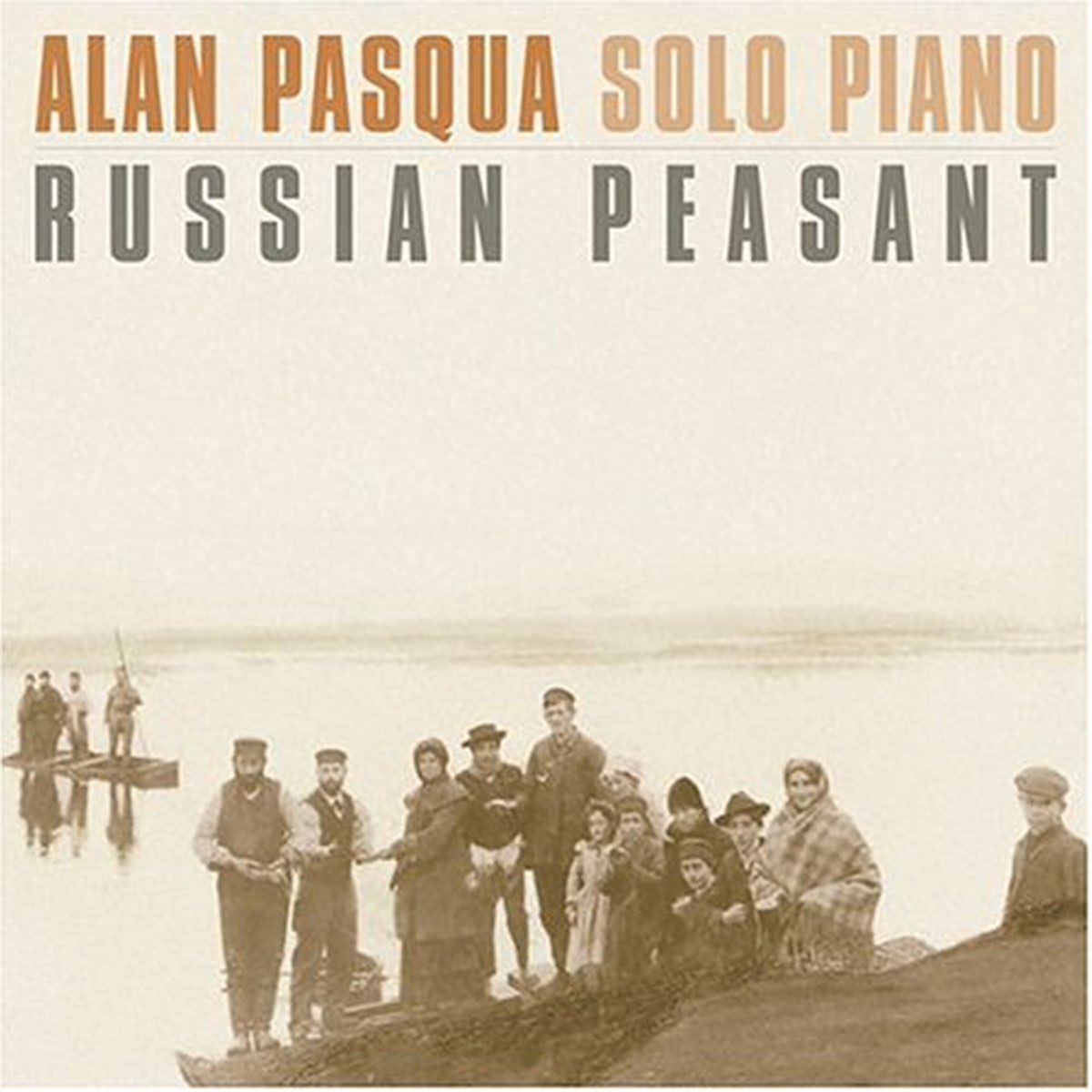
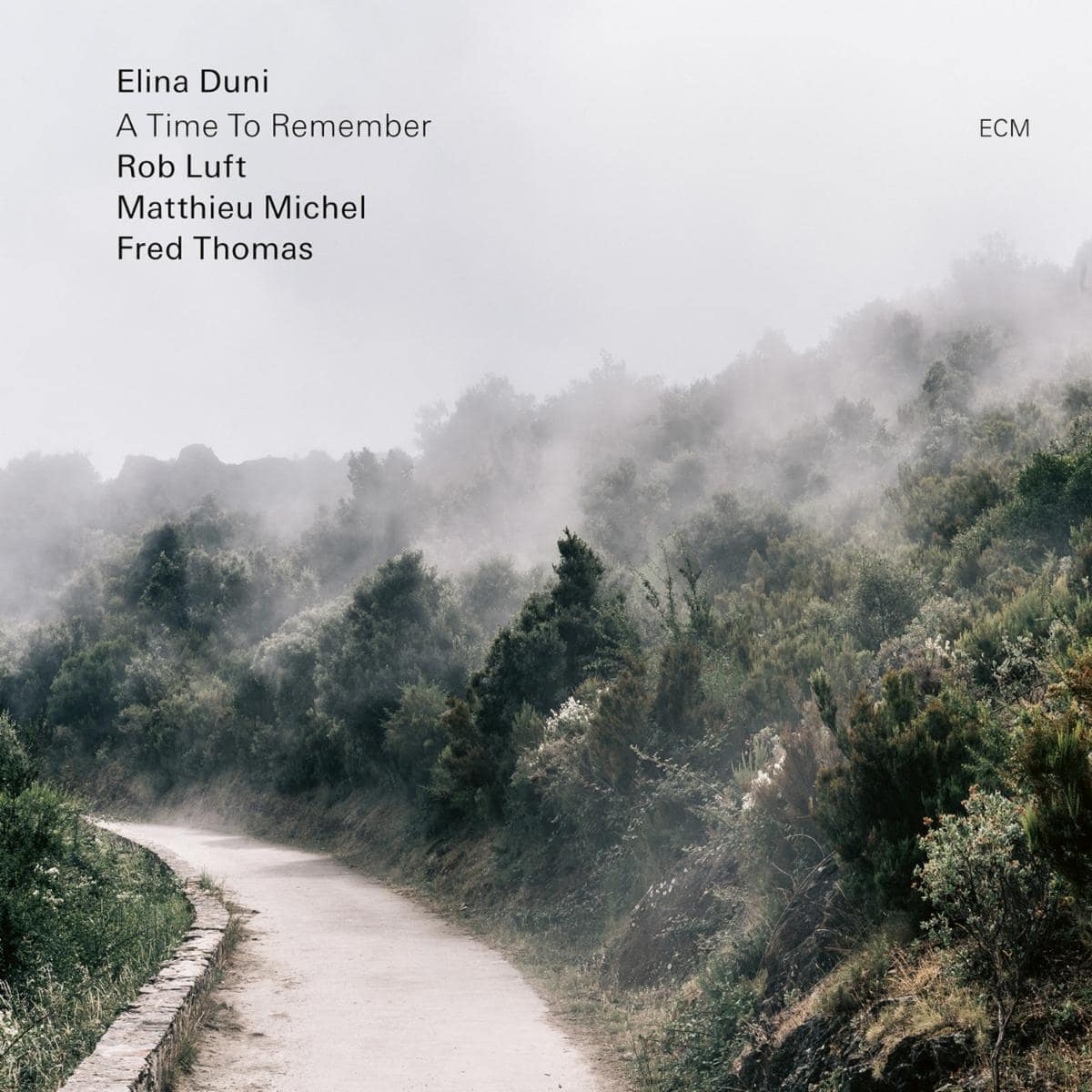
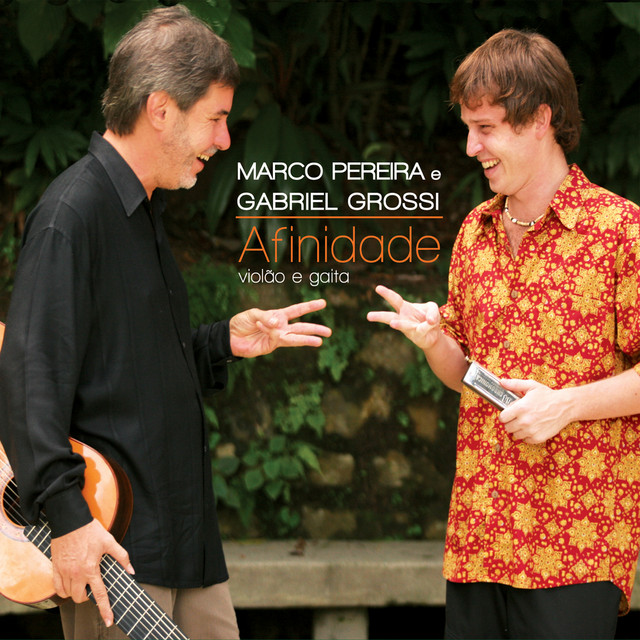
• Some recommendations
Free Piece
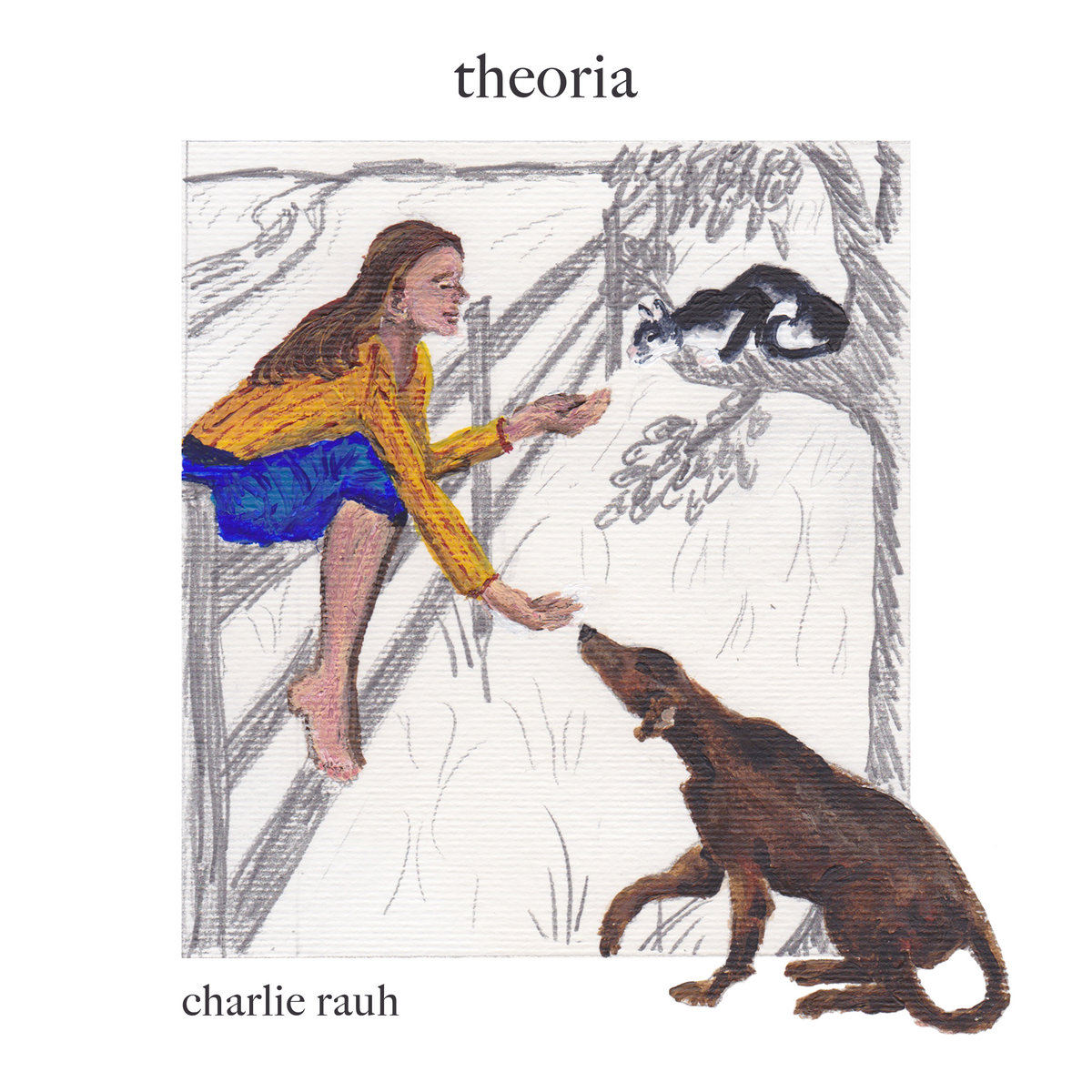
I've been listening to Charlie Rauh's music a lot lately…really digging into all of his records. I love his approach to writing. Because much of his inspiration comes from literature, his pieces are like well written short stories or poems. This is the same approach I've taken myself lately…trying to say a lot in a little amount of time. I also love his approach to using the instrument. Instead of writing technical guitar-y things, he focuses on what the music needs. Unique voicings, the use of open strings inside of chord voicings, surprises in the melodies and harmonies, varied articulations with a hybrid pick/fingers approach… all great stuff. If you're not familiar with Charlie Rauh's work, check it out.
After much listening, I was inspired to write a short little piece as a homage to Charlie's work. I hope you enjoy playing it, or just listening.
Why does this piece of music make me feel emotional?
What gives music its emotional weight? Why does one piece affect us more than another. There are several answers to this question, but two very important techniques that I use in my music to achieve this are agogic accents and rubato playing.
Agogic accents are when the performer slightly lengthens and and shortens notes as they play. An example of this would be holding the first note of a phrase slightly longer than notated, and then slightly speeding up the rest of the measure to “catch up”. This adds emotional weight to they phrases within a piece of music.
Rubato playing is when the performer is very flexible with the tempo and rhythm of the music. They slow down, speed up, and stretch out phrases in order to give weight to key moments in the melody and harmony.
My performance of “Letter to Mr. Rauh” is full of agogic accents and rubato playing. Let's listen to the difference of playing the notes exactly as written, versus playing them using these expressive techniques. I'll play the first 7 measures of “Letter to Mr. Rauh” as written, sticking closely to tempo and strict note values. Then I'll play the same 7 measures using agogic accents and rubato. How big is the difference in terms of emotional weight? Which do you prefer?
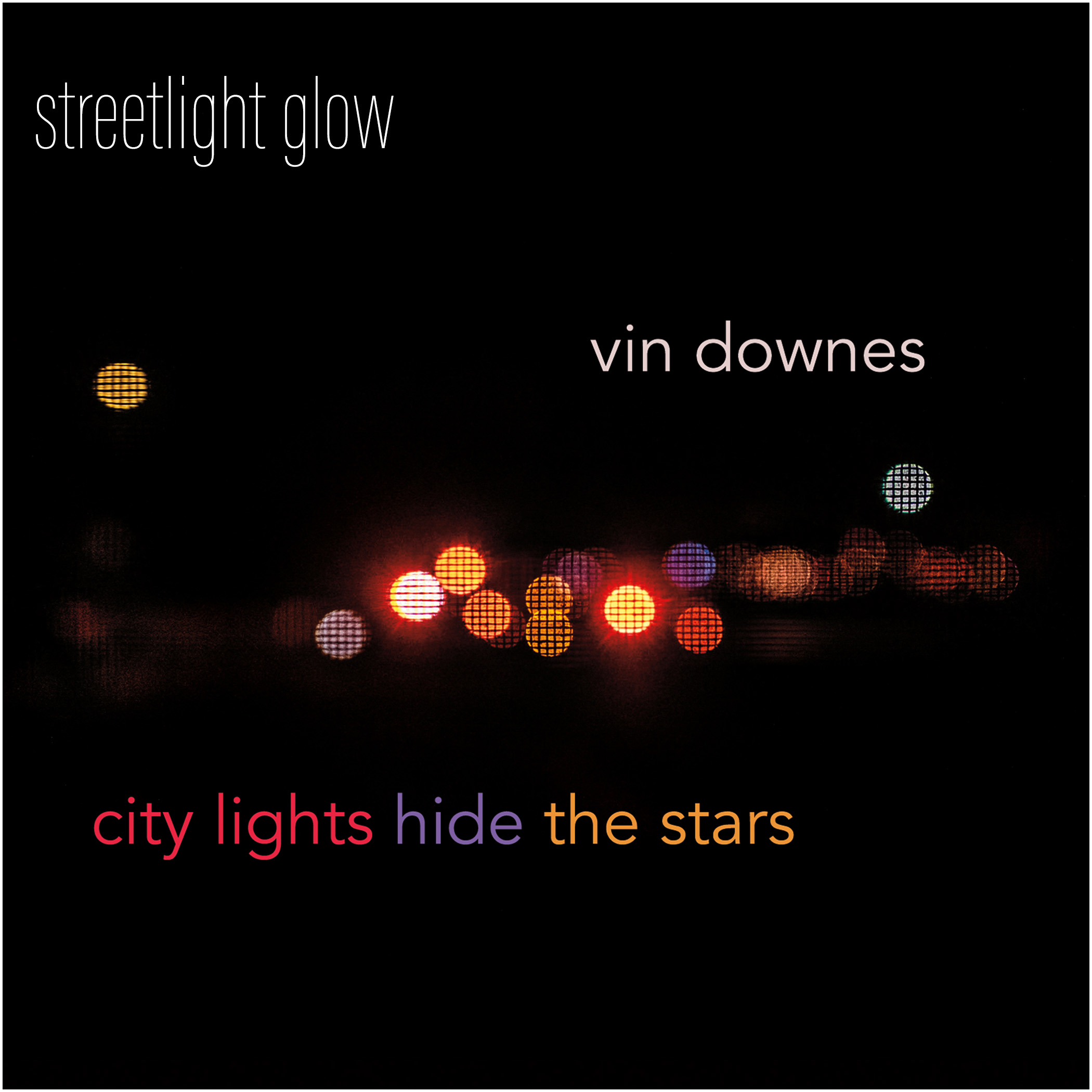
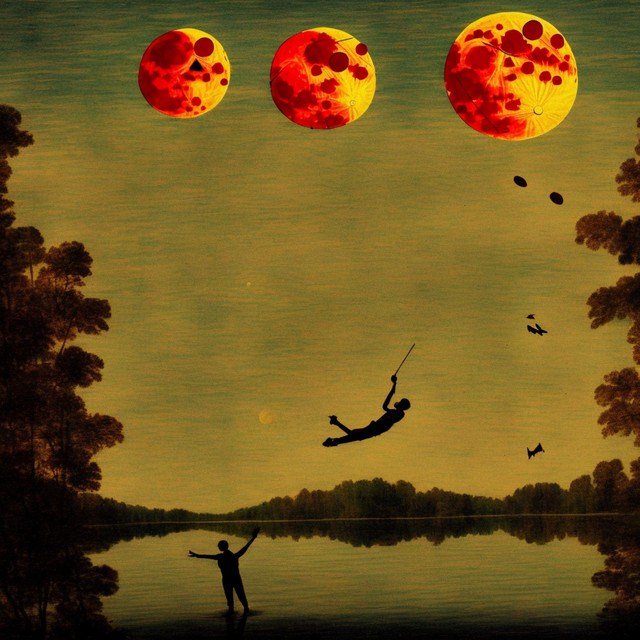
“Streetlight Glow” is the 5th and final single from my upcoming album “City Lights Hide the Stars”. It's another waltz..I may have enough waltzes for a double album soon. Lol.
I hope you've had a chance to listen and check out the video. Playlist adds are always appreciated.
“City Lights Hide the Stars”
Full Album Release
Friday, January 17th is the official release of “City Lights Hide the Stars”. It contains 16 short pieces for classical/nylon string guitar. The music was inspired by my favorite authors of short stories and incidental film music. The goal I had when writing the music was to tell stories or paint pictures within a limited amount of time.
I am so excited to put this music out there. The album is only 34 minutes long, and is meant to be listened to in one sitting. I hope you enjoy the music.
For those of you who still love holding your music in your hands, CDs are available right now over on my website. Notations/TABs are also available here.
What I'm listening to and reading. Click the pics for links.
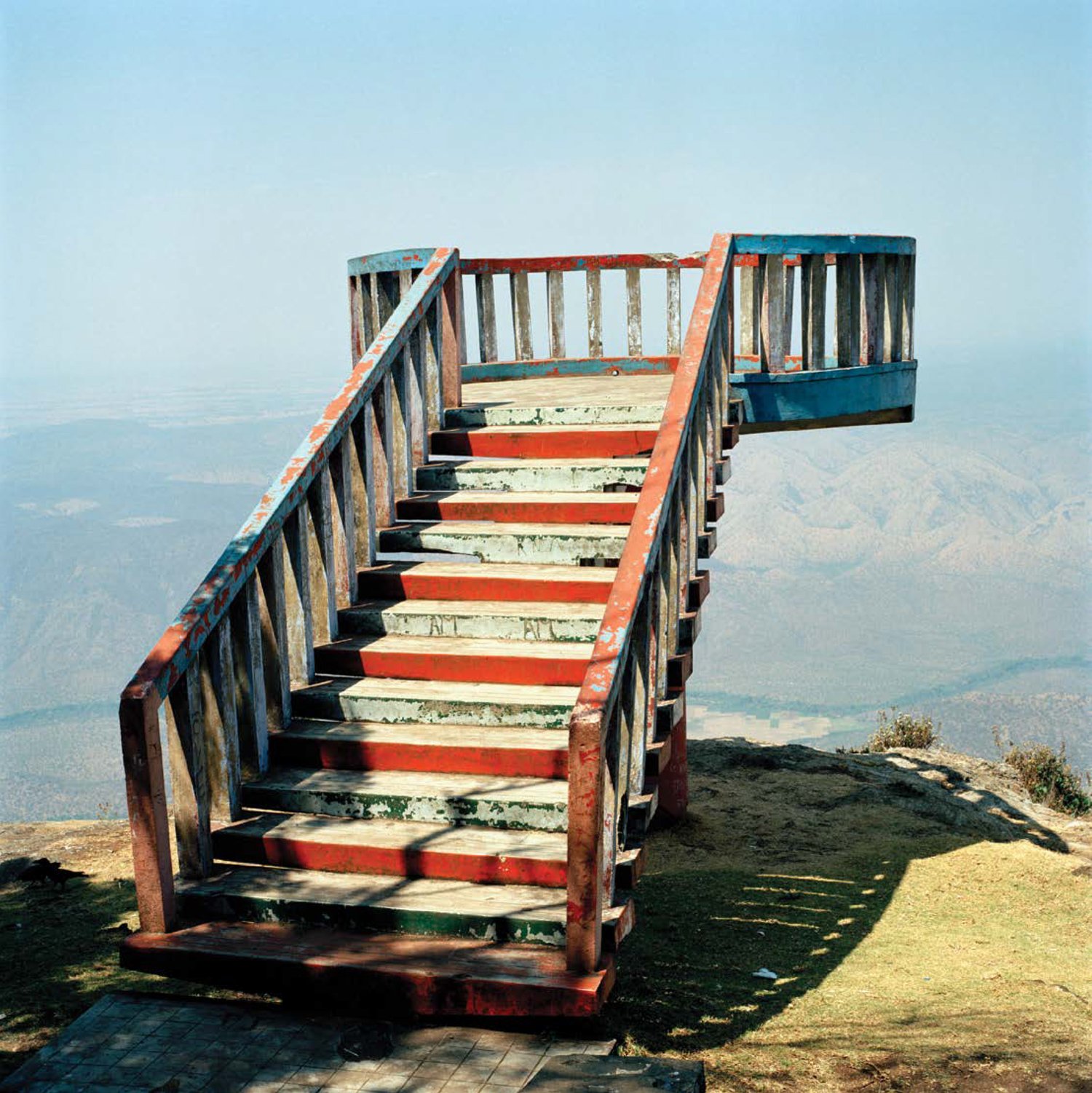
Timo Andres - The Blind Banister - Concerto for Piano
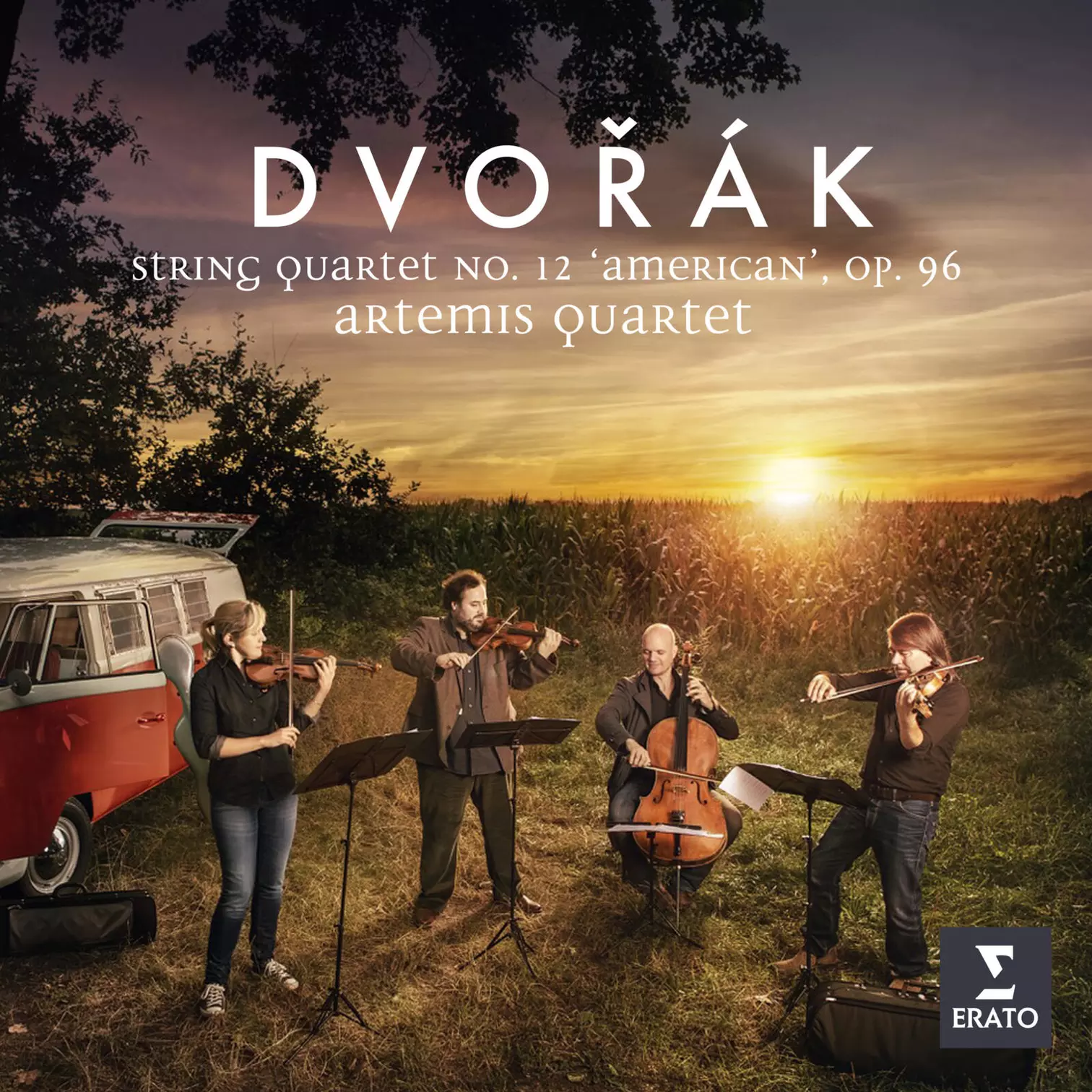
Guitar Concerto in E - Enrico Melozzi composer/conductor, Lorenzo Micheli - guitar, Orchestra Notturna Clandestina
That's all for this first month of 2025. I can't believe that this is the start of my fourth year of doing these newsletters. It really has been a great tool for me. Along with just staying in touch with folks, it has helped me to create a habit of writing and arranging music every single day.
Less than a month until pitchers and catchers report to spring training! I miss baseball…even Pittsburgh Pirate baseball.